

Make Money on YouTube Without Being on Camera
Not every successful YouTuber appears on camera. This post covers real income methods for creators who prefer staying behind the scenes, including screen recordings, animated videos, and compilation channels. You’ll discover which approaches actually generate revenue and which ones waste your time.
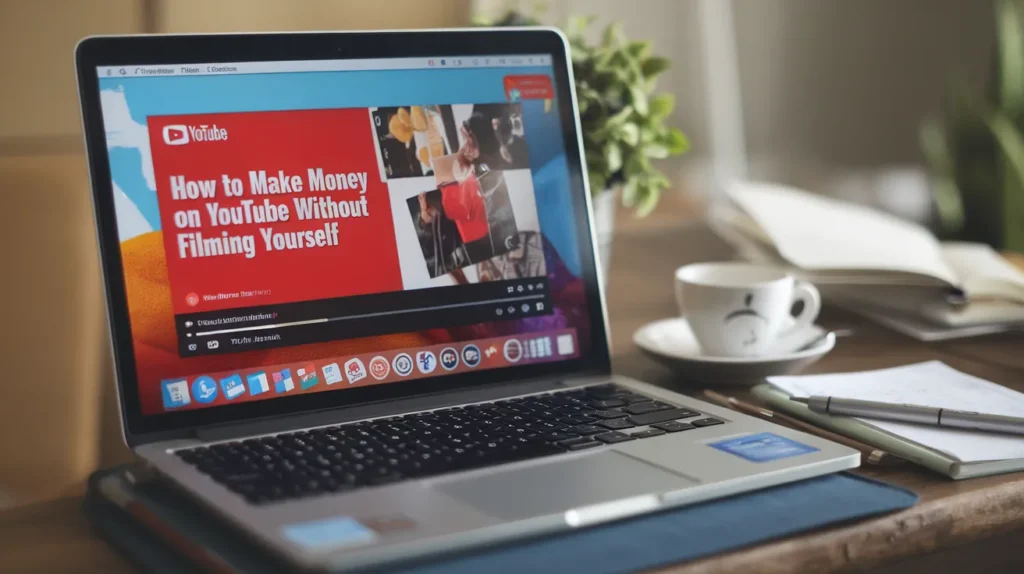
This guide explains how to make money on YouTube without filming yourself for people who want to earn income online but prefer staying off camera. The single most important thing you need to know is that faceless channels can earn just as much as traditional channels when done correctly.
Most people assume YouTube success requires showing your face and building a personality brand. This is completely wrong because some of the highest earning channels use animation, screen recordings, stock footage, and compilation formats that never show a human being.
How to Make Money on YouTube Without Filming Yourself Through Screen Recordings
Screen recording channels earn serious money by recording software tutorials, gaming content, and educational materials. You capture what happens on your computer screen while adding voice narration or text overlays. Many tutorial channels in the software niche earn between three thousand and ten thousand dollars monthly.
The software tutorial space works well because people constantly search for help. They want to learn Photoshop, Excel, or video editing programs. You record your screen while showing each step and explaining what you do. Your voice appears but your face never does.
Gaming channels represent another massive opportunity. You can record gameplay from popular games and add commentary. Some gaming channels with zero face time have millions of subscribers. They focus purely on the game content and their entertaining commentary style.
Animation and Whiteboard Videos Create Profitable Faceless Channels
Animation channels tell stories, explain concepts, or create entertaining content without any human appearance. You can hire animators on freelance platforms for reasonable rates or learn basic animation yourself using accessible software. Educational animation channels regularly hit six figure annual earnings.
Whiteboard animation works particularly well for explainer content. The camera points down at a whiteboard or digital tablet where illustrations appear. A hand might draw on screen but you never show your face. These videos work great for business topics, science education, and historical storytelling.
The production cost starts low. Basic animation software costs between zero and fifty dollars monthly. Many successful channels outsource animation work and still maintain healthy profit margins because ad revenue and sponsorships cover production costs several times over.
Compilation and Commentary Channels Generate Revenue Without Original Footage
Compilation channels gather existing content under fair use and add value through curation and commentary. You need to understand copyright law carefully but many channels legally use clips from other sources. Sports highlights, funny moments, and educational compilations all fall under this model.
The commentary approach adds your analysis or reactions to existing videos without showing yourself. You might discuss news events, review products visible in other videos, or provide expert analysis on a topic. Your voice and insights become the value, not your appearance.
Monetization works through standard YouTube ads plus sponsorship deals. Brands care about your audience size and engagement rates, not whether you appear on camera. Channels with one hundred thousand subscribers typically earn between five hundred and five thousand dollars monthly from ads alone.
Stock Footage Videos Build Channels That Run on Autopilot
Stock footage channels combine free or paid video clips with voice narration or background music. Travel channels show beautiful locations using stock clips. Nature channels display wildlife footage. Meditation and relaxation channels play calming scenes. All of these formats avoid filming anything original.
You can source stock footage from websites that offer free commercial licenses. Sites like Pexels and Pixabay provide thousands of high quality clips at no cost. Paid stock sites offer even more options for twenty to fifty dollars monthly.
These channels work best when you pick a specific niche. A channel about Japanese gardens performs better than a general nature channel. Specific topics attract dedicated audiences who watch regularly and boost your algorithmic performance.
Text to Speech and Slideshow Channels Require Minimal Production Skills
Text to speech technology has improved dramatically. Modern software sounds natural enough for YouTube content. You write scripts and let software handle narration. Many successful channels use this approach for news commentary, story reading, or educational content.
Slideshow channels display images while audio plays. Reddit story channels read interesting posts over simple backgrounds. Top ten countdown channels show relevant images for each item. These formats need almost no technical skill but still attract millions of views.
The barrier to entry sits extremely low. You can create your first video in a single afternoon using free tools. This makes testing different content ideas fast and cheap. You learn what works through experimentation rather than expensive production investments.
Understanding How to Make Money on YouTube Without Filming Yourself Through Multiple Revenue Streams
YouTube ad revenue forms your foundation. The platform pays based on views and watch time. Channels typically earn between one and five dollars per thousand views depending on their niche. Finance and technology topics pay more than entertainment content.
Sponsorships become available once you reach ten thousand subscribers. Companies pay you to mention their products in your videos. Rates vary widely but expect between one hundred and one thousand dollars per sponsored video depending on your audience size.
Affiliate marketing lets you earn commissions by promoting products. You add affiliate links in video descriptions. When viewers purchase through your links, you receive a percentage. Tech review channels and tutorial channels perform especially well with affiliate marketing.
Digital products provide another income stream. You can sell courses, ebooks, or templates related to your channel topic. A channel about productivity might sell planning templates. A music channel might sell sample packs. Your YouTube content drives traffic to these products.
Technical Requirements for Starting a Faceless YouTube Channel
You need basic equipment to start. A decent microphone costs between fifty and one hundred fifty dollars. Audio quality matters more than video quality for faceless content because your voice carries the entire presentation. Bad audio makes people click away immediately.
Screen recording software is often free. OBS Studio provides professional recording capabilities at zero cost. For video editing, free options like DaVinci Resolve offer more features than most beginners will ever need. You can start without spending money on software.
Learning curve matters more than equipment. Spend your first month making ten videos rather than perfecting one video. You improve through repetition. Your tenth video will look dramatically better than your first regardless of your equipment.
Channel Growth Strategies That Work Without Showing Your Face
SEO drives growth for faceless channels more than personality does. You need to research what people search for and create videos that answer those queries. Tools like TubeBuddy and VidIQ help you find good topics with reasonable competition.
Thumbnails become even more important when you lack a recognizable face. You need bold text and compelling images that make people click. Spend serious time on thumbnail creation. Test different styles and track which designs get higher click rates.
Consistency matters tremendously. Upload on a regular schedule so the algorithm recognizes your channel as active. Two videos per week works better than seven videos one month and zero the next. The platform rewards channels that publish regularly.
Engagement signals tell YouTube that people value your content. Ask questions that prompt comments. Create videos that people want to share. Longer watch times boost your videos in search results and recommendations. Focus on keeping viewers watching past the first thirty seconds.
Choosing the Right Niche When Learning How to Make Money on YouTube Without Filming Yourself
Your niche determines your earning potential more than any other factor. Finance channels earn three to five times more per view than comedy channels. Educational content about career skills or investing attracts advertisers who pay premium rates.
Competition analysis helps you find gaps in the market. Look for topics with decent search volume but relatively few quality videos. A narrow niche with dedicated fans beats a broad topic with massive competition.
Your own knowledge and interests should guide your choice. You will create hundreds of videos over time. Pick something you can discuss without burning out. Authentic interest shows through in your content quality even without showing your face.
Some niches work better for faceless formats than others. Meditation content naturally fits audio and visuals without a host. True crime stories work well with narration over images. Programming tutorials need screen recordings rather than talking heads. Match your format to niches where faceless content feels natural.
Legal Considerations and Copyright Issues for Faceless Content
Fair use protects some uses of copyrighted material but the rules are complex. Commentary and education receive stronger protection than entertainment. Transformation matters more than the amount you use. Simply reposting someone else’s content without adding value will get you copyright strikes.
Music licensing requires attention. You cannot use popular songs without permission. YouTube provides a free audio library with music you can use safely. Paid services like Epidemic Sound offer larger libraries for about fifteen dollars monthly.
Always assume you need permission unless content explicitly allows free use. Creative Commons licenses specify what you can do with material. Some stock footage sites allow YouTube use while others prohibit it. Read the terms carefully before using any content you did not create.
Your channel can get terminated for repeated copyright violations. Three strikes and YouTube deletes everything. This risk makes understanding copyright rules non negotiable. When in doubt, create original content or use properly licensed materials.
Monetization Requirements and Timeline Expectations
YouTube requires one thousand subscribers and four thousand watch hours before you can join the Partner Program. Most channels reach this milestone between six and eighteen months after starting. Posting twice weekly and following good SEO practices gets you there faster.
Your first dollar arrives later than you expect. Even after monetization approval, you need to reach one hundred dollars before YouTube pays out. Depending on your view count, this might take one to three additional months.
Growth follows a curve rather than a straight line. Your first hundred subscribers take longer than your next thousand. Early months feel slow but momentum builds as you publish more content. Channels that quit before month six miss the compounding effect that starts around video fifty.
Alternative monetization starts before you reach YouTube’s thresholds. You can add affiliate links from day one. You can create a Patreon account and mention it in videos. You can sell products through links in your description. These revenue sources help fund your channel before ad money arrives.
Outsourcing and Scaling Your Faceless Channel Operation
Successful faceless channels often become teams rather than solo operations. You can hire script writers, video editors, voice actors, and thumbnail designers. This lets you publish more frequently and improve quality simultaneously.
Freelance platforms connect you with talent worldwide. Video editors charge between fifteen and one hundred dollars per video depending on complexity and their experience. Voice actors might charge fifty dollars per script. These costs become worthwhile once your channel earns over one thousand dollars monthly.
Start by doing everything yourself. Learn each part of the process before outsourcing it. This knowledge helps you hire better and evaluate work quality. You will know what good editing looks like because you have done it yourself.
Scaling works when your revenue per video exceeds your production cost per video. A channel earning three hundred dollars per video can afford to pay one hundred dollars in production costs. This leaves two hundred dollars profit and frees your time to plan strategy or create additional channels.
Common Mistakes That Kill Faceless Channels Before They Succeed
Poor audio quality destroys channels faster than anything else. People forgive mediocre visuals but they will not tolerate crackling, echo filled, or too quiet audio. Invest in your microphone setup before worrying about fancy graphics or effects.
Inconsistent uploading confuses the algorithm and your audience. Posting three videos one week then disappearing for a month signals that your channel is not serious. Pick a schedule you can maintain for six months and stick to it no matter what.
Copying successful channels too closely backfires. Viewers can tell when you are imitating someone else. Study what works but add your own angle. Your unique perspective or specific niche focus differentiates you from the hundreds of similar channels.
Giving up too early wastes all your initial work. Month three feels discouraging when you have twenty subscribers and videos getting fifty views. But month nine looks completely different after you have learned what works. Most successful channels considered quitting multiple times before they broke through.
Ignoring analytics means flying blind. YouTube Studio shows you which videos perform well and where viewers stop watching. This data tells you what to make more of and what to avoid. Checking your analytics weekly helps you improve much faster than guessing.
Platform Algorithm Changes and Future Proofing Your Channel
YouTube changes its algorithm regularly but certain principles remain constant. Watch time always matters because the platform wants people staying on the site. Click through rate determines whether YouTube shows your video to more