
Managing Your Time Working From Home: A Practical Guide
Working from home blurs the lines between your professional and personal life, making time management harder than ever. This guide walks you through practical methods to structure your day, minimize distractions, and actually finish work on time.

This guide explains how to manage your time working from home for employees, freelancers, and business owners who struggle with productivity outside an office. The biggest factor in successful home work is treating boundaries as non-negotiable rules, not flexible suggestions.
Most people think working from home means finding the perfect schedule that fits their natural energy patterns. This sounds good but it’s wrong. The real problem is that home environments contain no built-in accountability structures. Your success depends on creating artificial constraints that replace the external pressure an office provides automatically.
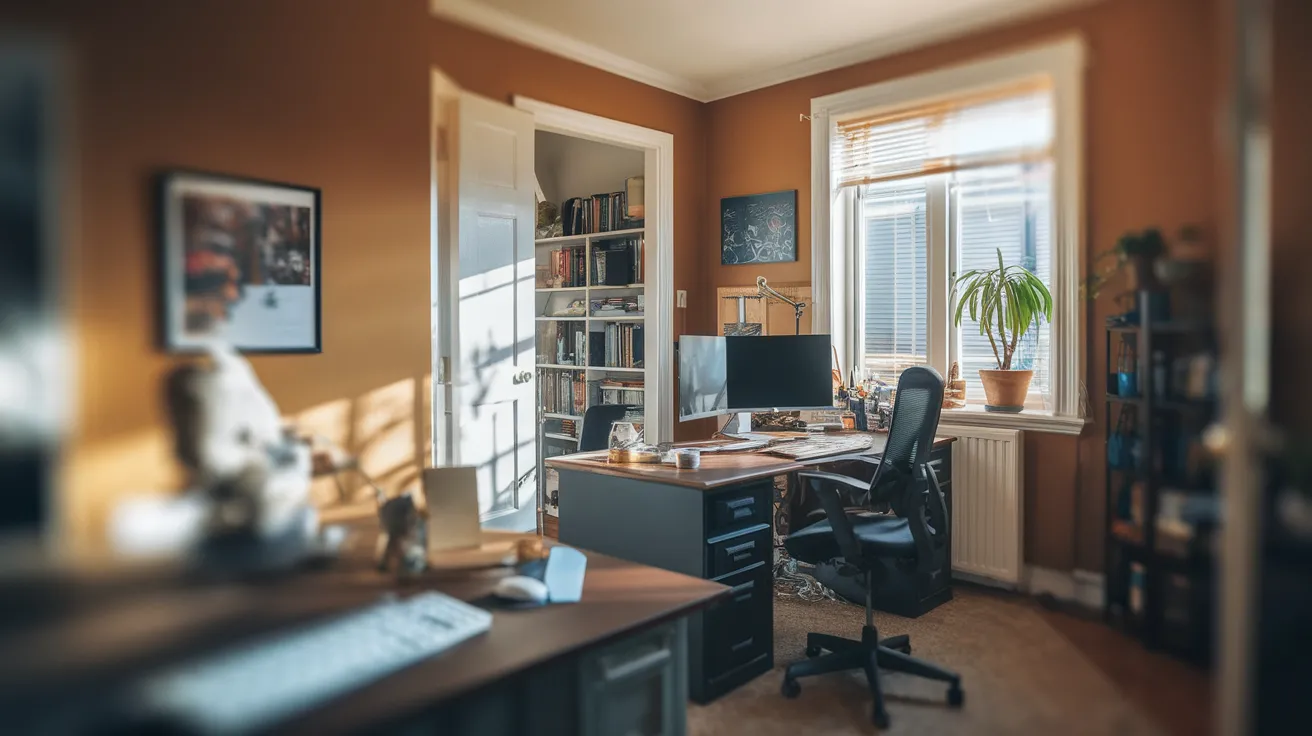
How to Manage Your Time Working from Home Starts With Physical Separation
Working from your couch or bed destroys your productivity faster than any other single mistake. Your brain forms strong connections between physical locations and mental states. When you work where you relax, both activities suffer.
Pick one spot in your home that becomes your work location. This can be a desk, a corner of your kitchen table, or even a specific chair. The size doesn’t matter. The consistency does.
Only do work tasks in this spot. Never eat lunch there. Never watch videos there. Never scroll social media there. When you sit down, you work. When you’re done working, you leave that spot.
This physical boundary makes starting work easier and stopping work possible. Without it, your entire home becomes a blurry space where work and life blend into an exhausting mush.
Set Hard Start and Stop Times That Other People Know About
Flexibility sounds attractive until you realize it means you never fully stop working. When you can work anytime, you end up working all the time.
Choose specific hours for your workday. Write them down. Tell your family, roommates, or partner what these hours are. The act of telling other people creates external accountability.
During work hours, you’re unavailable for personal tasks. No laundry. No errands. No long personal calls. You’re working. After work hours, you close your laptop and don’t check email. You’re done.
This sounds simple but most people resist it. They want to keep their options open. This openness costs them both focus during work and relaxation during rest.
Block Your Day Into Single-Task Chunks of 90 Minutes or Less
Open-ended work time creates procrastination. When you have all day to do something, you’ll take all day. Then you’ll finish it at night and feel frustrated.
Instead, assign specific tasks to specific time blocks. From 9:00 to 10:30, you write the report. From 10:30 to 11:00, you answer emails. From 11:00 to 12:30, you work on the presentation.
Make each block focused on one type of work. Switching between different tasks inside the same block wastes mental energy. Your brain needs time to settle into a type of thinking.
Ninety minutes is about the maximum time most people can maintain deep focus. After that, take a real break. Stand up. Walk around. Look at something far away to rest your eyes.
This approach to how to manage your time working from home removes decision fatigue. You always know what you should be doing right now.
Plan Tomorrow’s Work Before You Finish Today
Starting your day by figuring out what to do wastes your best mental energy. Morning hours usually offer your clearest thinking. Spending them on planning is expensive.
At the end of each workday, spend ten minutes writing down what you’ll do tomorrow. Be specific. Don’t write “work on project.” Write “finish sections three and four of the proposal.”
This practice serves two purposes. First, you start tomorrow with immediate action instead of decision paralysis. Second, you give your brain permission to fully disengage from work.
When you know tomorrow is handled, today can actually end. Without this clarity, work thoughts invade your evening because unfinished business creates mental tension.
Protect Your Morning Routine From Work Creep
The biggest trap of home work is starting before you’re ready. You wake up and immediately check your phone. You see an urgent email. Now you’re working before you’ve had breakfast.
This pattern trains your nervous system to start each day in reactive mode. You’re responding to other people’s priorities before you’ve even defined your own.
Create a morning sequence that happens before work starts. This might include exercise, breakfast, a shower, or reading. The content matters less than the consistency.
Don’t check work email or messages during this time. Your morning routine is the foundation that makes the rest of your day possible. Protecting it is how to manage your time working from home without burning out.
Use Timers to Replace Social Pressure
Offices provide ambient pressure through visible coworkers. At home, nobody sees when you’re distracted. This invisible accountability problem sinks many remote workers.
Timers create artificial deadlines that replace social pressure. Set a timer for 25 or 45 minutes. Work until it goes off. Take a five-minute break. Start again.
The timer becomes your external monitor. You’re racing against it. This small change converts vague work time into focused sprints.
Phone timers work fine. Kitchen timers work better because you have to physically stand up to turn them off. This forces the break to actually happen.
Establish Clear Signals That Tell Your Household You’re Working
Other people in your home don’t automatically understand that you’re unavailable just because you’re sitting at a desk. They see you home and assume you’re accessible.
Create visible signals that communicate your work status. This might be closing a door, wearing headphones, or putting a sign on your desk. Pick something obvious.
Explain to everyone in your home what the signal means. When the door is closed, you’re in a meeting. When the headphones are on, you can’t talk. Make this clear and specific.
Consistency matters more than the specific signal. Use the same indicator every time. People will learn to respect it if you enforce it without exceptions.
Build Transition Rituals Between Work and Personal Time
Offices provide automatic transitions. You leave the building. You commute home. These actions signal to your brain that work has ended.
At home, work and life happen in the same location. Without a transition, your mind never fully switches modes. You feel like you’re always partially working.
Create a short ritual that marks the end of work. This might be a ten-minute walk around your block. It might be changing clothes. It might be a specific playlist you listen to.
The ritual tells your brain that work is over. Your body and mind need this signal. Without it, mastering how to manage your time working from home becomes impossible because you never actually stop.
Track How You Actually Spend Your Time for One Week
Most people have no idea where their time goes. They feel busy all day but can’t name what they accomplished. This gap between perception and reality creates frustration.
Spend one week tracking every work hour in 30-minute blocks. Write down what you did. Be honest. Include the time you spent on social media and random internet browsing.
This data shows you the truth. Most people discover they spend far less time on actual focused work than they believed. They also find specific time drains they didn’t notice.
Once you see the patterns, you can fix them. You might learn you’re most productive in the morning but waste those hours on email. You might find certain tasks expand to fill whatever time you give them.
Accept That Some Days Will Fail Completely
Home work contains more variables than office work. Your internet goes out. Your neighbor starts construction. Your child gets sick. These disruptions happen.
When a day falls apart, let it go. Don’t try to make up the time by working until midnight. Don’t carry guilt into tomorrow. Bad days are part of the deal.
The solution is building enough buffer into your weekly schedule that one lost day doesn’t create a crisis. This means not filling every single hour with commitments.
People who succeed at how to manage your time working from home over long periods plan for failure. They know disruption is inevitable and build systems that absorb it without collapsing.
Tomorrow morning, before you check any messages, write down the three most important tasks you need to complete and block out specific times to do each one.
Frequently Asked Questions
What time should I start work when working from home?
Start at the same time every day, preferably matching your peak energy hours. Most people work best between 8:00 and 10:00 AM. Consistency matters more than the specific time you choose.
How do I stop working too many hours from home?
Set a hard stop time and physically close your laptop at that time. Tell someone in your household to remind you. Remove work apps from your phone after hours to eliminate temptation.
Can I work from my bed or couch sometimes?
No. This destroys the mental boundary between work and rest. Your sleep quality will suffer and your work focus will weaken. Always work from a dedicated spot, even if small.
How long should I work before taking a break?
Take a five-minute break every 45 to 90 minutes. Stand up, move around, and look away from screens. Longer sessions without breaks decrease your output and increase mistakes.
What do I do when family members interrupt me while working?
Set clear boundaries before problems happen. Explain your work hours. Use physical signals like a closed door. Enforce these rules consistently, even when it feels awkward or difficult.