

Cheapest Countries to Work Remote From
This post walks you through countries where your remote income stretches further, covering everything from visa requirements to monthly living costs so you can actually make the move. You’ll leave knowing exactly where to go, how much you need, and which places match your lifestyle.
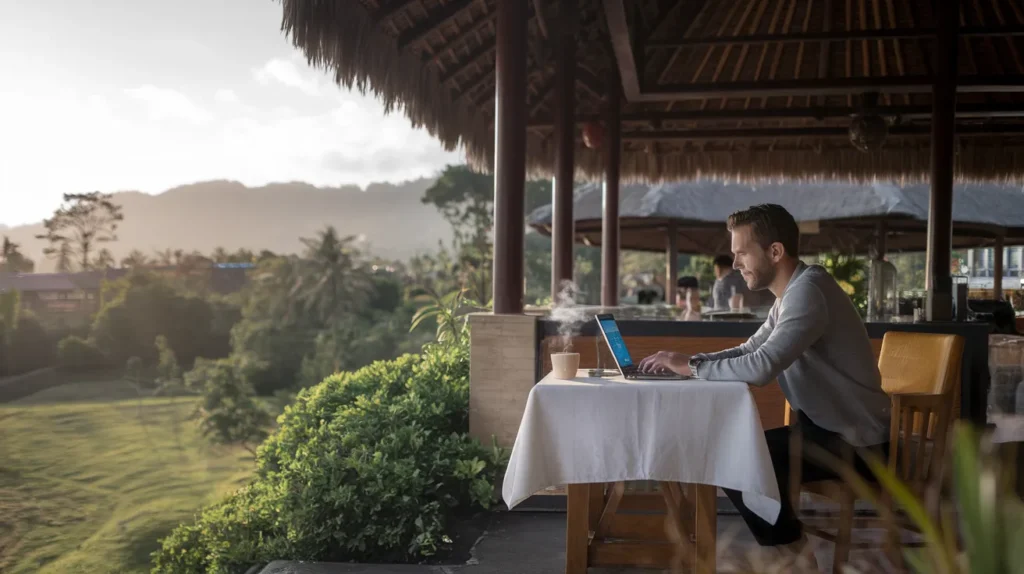
This guide covers countries where you can live cheap and work online for remote workers who want to cut their living costs without sacrificing internet quality or quality of life. The most important thing to understand is that low cost of living means nothing if you can’t get reliable internet or feel safe in your daily life.
Most people think countries where you can live cheap and work online are all in Southeast Asia or require you to rough it in uncomfortable conditions. This is completely wrong because some of the best value destinations are in Europe, Latin America, and even parts of Africa, and many offer modern apartments, fast fiber internet, and conveniences that match or exceed what you had back home.
Why Vietnam Offers the Best Overall Package for Remote Workers
Vietnam combines three things that matter most for online work: cheap rent, fast internet, and good food at low prices. You can rent a modern one bedroom apartment in Hanoi or Ho Chi Minh City for $300 to $500 per month. These apartments often include high speed fiber internet that runs faster than what most Americans have at home.
The food situation in Vietnam deserves special attention because eating out costs less than cooking at home in most Western countries. A full meal at a local restaurant runs $2 to $3. Coffee shops with excellent wifi charge about $1.50 for quality coffee, and you can sit there all day without anyone bothering you.
Your total monthly budget in Vietnam can easily stay under $1200 while living well. This includes rent, food, a gym membership, regular massages, and weekend trips. The visa situation works through renewable tourist visas or business visas that cost around $300 for three months.
Countries Where You Can Live Cheap and Work Online in Latin America
Mexico stands out as the top choice in Latin America for remote workers. Cities like Playa del Carmen, Oaxaca, and Mexico City have huge digital nomad communities. Monthly living costs range from $1000 to $1500 depending on the city. You can get temporary residence fairly easily, which lets you stay for up to four years.
Colombia comes in second for Latin American options. Medellin has perfect weather year round and excellent infrastructure built for remote workers. Rent for a nice apartment in a good neighborhood costs $400 to $600 monthly. The internet speed matches what you need for video calls and large file uploads.
Both countries let you live well on much less than you would spend in North America or Europe. The time zones align with US business hours, which helps if you work with American clients or companies. Direct flights to major US cities are cheap and frequent.
Portugal and Georgia Beat Other European Options
Portugal created a digital nomad visa specifically for remote workers. Lisbon and Porto are the main cities, but smaller towns offer even better value. You can find apartments for $600 to $800 in nice areas with good internet. Portugal uses the euro, so prices are higher than Asia or Latin America, but you get European Union stability and infrastructure.
Georgia in the Caucasus region lets you stay for one year without any visa at all. Tbilisi, the capital, has become a remote work hub. Monthly rent costs $300 to $500 for modern apartments. The internet infrastructure is surprisingly good, with fiber available in most buildings. Food and transportation cost very little compared to Western Europe.
These European options work well for people who want to stay closer to Western culture and standards while still cutting their costs. The healthcare systems in both countries function better than what many Americans experience at home.
What the Internet Situation Actually Looks Like on the Ground
Testing the internet before you commit to a place matters more than reading speed claims online. Many countries where you can live cheap and work online advertise fast speeds that don’t match reality. Always stay in a place for a week or two before signing a long term lease.
Coworking spaces solve the internet problem in most cities. These spaces cost $50 to $150 per month and provide backup internet when your home connection fails. They also give you a professional space for video calls and a built in community of other remote workers.
Mobile internet works as a solid backup in most recommended countries. A local SIM card with unlimited data costs $10 to $30 monthly. The mobile networks in places like Vietnam and Mexico often run faster than home broadband in rural America.
The Real Costs Beyond Rent and Food
Healthcare costs almost nothing in most countries where you can live cheap and work online compared to US prices. A doctor visit in Vietnam costs $20 without insurance. Dental work in Mexico runs at about 30% of US prices with the same or better quality. Many remote workers get procedures done that they put off for years due to US costs.
Flights home represent your biggest expense if you have family in your home country. Budget $500 to $1500 per trip depending on your destination and home country. Some people fly back twice a year, others stay away for years. This cost matters more than most people calculate when planning their budget.
Visa costs and requirements change frequently. Some countries charge nothing for tourist visas, while others want $300 every few months. Factor in visa runs to neighboring countries, which can cost $200 to $400 when you include transport and accommodation. Thailand recently made their visa situation harder, pushing many remote workers to other countries.
Banking and Tax Issues You Need to Handle First
Set up your banking before you leave your home country. Get a bank account that reimburses ATM fees worldwide. Charles Schwab and Fidelity offer this in the US. Also get a credit card with no foreign transaction fees. These small percentages add up fast when you live abroad.
Tax obligations follow you wherever you go. Americans must file US taxes regardless of where they live. Other countries have different rules about tax residence. Talk to a tax professional who specializes in remote workers before you leave. The cost of this advice is tiny compared to the problems you avoid.
Keep your address in your home country if possible. You need it for banking, receiving mail, and maintaining legal residence. Many remote workers use a family member’s address or a mail forwarding service. This makes life much easier when dealing with bureaucracy.
Safety Varies More Than Cost in Cheap Countries
Research specific neighborhoods, not just cities or countries. Every city has safe areas and dangerous areas. Join online groups for remote workers in your target destination and ask specific questions about where to live. Facebook groups for digital nomads in each city provide current, practical information.
Petty crime happens more in tourist areas than local neighborhoods. Living where locals live usually costs less and feels safer. You also get a more authentic experience and better food options. Tourist areas jack up prices because they can.
Political stability matters for long term stays. Countries can change quickly. Following local news and maintaining connections with other foreigners helps you know when situations shift. Always keep enough money accessible to book a flight out within 24 hours.
How to Test a Country Before Committing Long Term
Spend one month minimum in a place before deciding to stay longer. Book a short term rental through Airbnb or Booking.com for the first month. This costs more than a long term lease but lets you explore different neighborhoods and understand the real daily costs.
Track every expense during your test month. Apps like Splitwise or even a simple spreadsheet show you actual costs versus what you read online. Prices change, and your lifestyle might differ from the backpacker budgets you find in blog posts. Your real costs matter more than someone else’s minimal budget.
Talk to other remote workers who have lived there for six months or more. They know which internet providers work best, which neighborhoods to avoid, and what the real visa situation looks like. Buy them coffee and ask direct questions. Most people love helping newcomers avoid the mistakes they made.
Pick one country from this guide, book a one month stay, and test it before you make any other plans.
Frequently Asked Questions
Do I need to speak the local language to live and work in these countries?
You can get by with English in major cities, but learning basic local phrases makes daily life much easier. Most remote workers pick up enough of the language within three months to handle shopping, restaurants, and simple conversations.
How much money should I have saved before moving to a cheap country to work remotely?
Save at least three months of living expenses plus your first month’s rent and deposit. This gives you a buffer of $4000 to $6000 depending on your destination. Also keep an emergency fund for flights home.
Can I work legally in these countries on a tourist visa?
Most countries allow remote work for foreign companies on tourist visas as long as you don’t work for local companies. The legal situation varies by country, so research your specific destination’s current rules.
What happens if I get sick or need medical care in a cheap country?
Most recommended countries have good private hospitals with English speaking doctors. Costs run much lower than the US. Get international health insurance that covers you abroad for serious issues, which costs $50 to $150 monthly.
How do I receive payments from clients when living in another country?
Use services like Wise, PayPal, or direct bank transfers to receive payments. Wise offers the best exchange rates for most currencies. Keep your home country bank account active for receiving payments from clients there.